

Once upon a time the Gold Standard
 «Public debt and deficit-spending are a growing and intolerable burden on the society and economy, because they divert resources from the productive (private sector) to the parasitic, counterproductive public sector.»
— Murray N. Rothbard
On the15th of August, the United States «celebrated» the forty-second anniversary of their exit from the gold standard. What does this mean? Two things: the central regulators have removed their actions from the possibility of encountering negative sanctions; the electorate was sold the story that the U.S. had found the philosopher’s stone towards infinite growth. No more disastrous economic cycles, no more depression, no more miserable lives. The American dream had become a reality. But «dreams», that at first seem
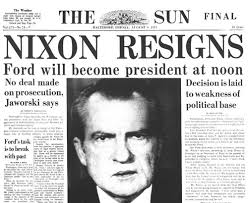
 harmless, can always turn into nightmares. And that’s what happened since that 15th of August in 1971, the day when the American dream was permanently lost (it was already on this path since 1933) to a nightmare marked by the stinging words of Richard Nixon.
How have things gone since then? From bad to worse. The presumptuous central regulators believed that they could control market forces at will, that said forces could be addressed according to their wishes – towards prosperity for them and a slice of paradise for others. Despite gold served as a barrier for their reckless actions, another parameter has replaced gold: the interest rates of the US Treasury bonds.
ALTERNATIONS
 The main goal of Nixon’s decision in 1971 was to prevent a rush to the US Treasury counters. Given the scarcity of gold, whenever there was the perception that a debtor government had engaged in a morally hazardous and unrestrained behaviour, the creditor government could ask the Treasury of the debtor government the return of their gold. This is what happened in 1965 when De Gaulle told the Bank of France to begin the procedure of returning the dollars to Uncle Sam in exchange to gold.
Read More
Comments
 Should we return to the gold standard. Why? It will do very little to cure what ails the real economy, starting with the growing imbalance between resources and population. It is just a distraction.

— Murray N. Rothbard
On the15th of August, the United States «celebrated» the forty-second anniversary of their exit from the gold standard. What does this mean? Two things: the central regulators have removed their actions from the possibility of encountering negative sanctions; the electorate was sold the story that the U.S. had found the philosopher’s stone towards infinite growth. No more disastrous economic cycles, no more depression, no more miserable lives. The American dream had become a reality. But «dreams», that at first seem
How have things gone since then? From bad to worse. The presumptuous central regulators believed that they could control market forces at will, that said forces could be addressed according to their wishes – towards prosperity for them and a slice of paradise for others. Despite gold served as a barrier for their reckless actions, another parameter has replaced gold: the interest rates of the US Treasury bonds.
ALTERNATIONS
Read More
History ... Follow the yellow brick road?
Comments
Time to get real and stop returning to Oz for fictional answers.
Or, click your heals...
Platinum Wealth Partners
April 24, 2014


